
Karate-Do Genesis | Global Introduction, Philosophy & Tradition of Japanese Karate
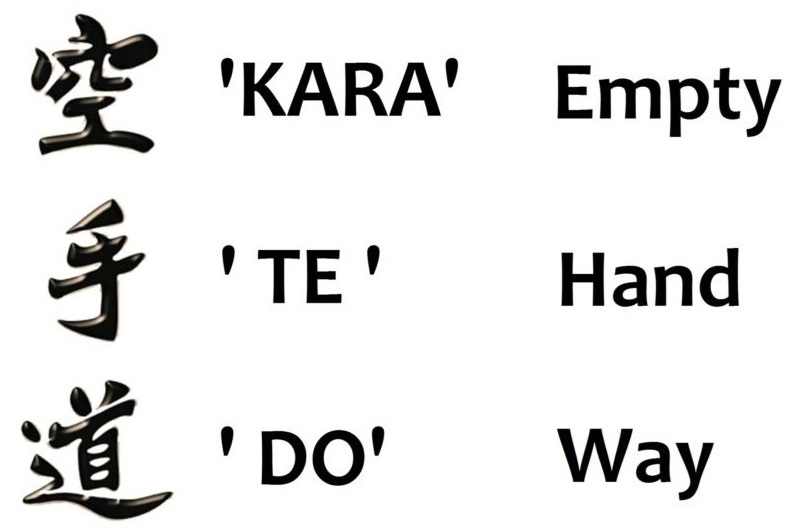
Karate-Do is a traditional Japanese martial art and one of the most widely practiced martial arts in the world, known for its numerous benefits in self-defense, physical fitness, and mental discipline. The term Karate-Do means the “Way of the Empty Hand,” referring to a system of unarmed combat without the use of weapons. It is a highly effective form of self-defense training that utilizes the body as a complete weapon, developed through consistent, disciplined, and focused practice.Through years of structured training, practitioners learn to use different parts of the body as tools for both attack and defense in real-life situations. Core techniques include Te Waza (hand techniques) for striking and blocking, Keri Waza (kicking techniques) for powerful lower-body attacks, and Dachi Waza (stances) for maintaining strong balance, stability, and effective movement. Karate-Do training builds a solid foundation in unarmed combat skills, coordination, strength, and control, making it one of the most effective systems for self-defense and personal development.
KIHON 基本
(Basic / Fundamental training of techniques)
Waza – Tsuki, Uke, Keri, Tachi Kata, Gatame, Nage Waza.
Ido-Kihon (Single Technique Moving Basics),
Ido Renzuko Kihon (Combination Moving Techniques).
KATA 型
( Pattern of Karate techniques / Forms),
Kihon Kata, Intermediate / Advanced Kata
Omote, Ura & Honto Bunkai Kumite
(techniques analysis/application of techniques)
KUMITE 組手
(Sparring).
Yakusoku Kumite (Pre-arranged sparring)
Tenshin / Happo (Eight Direction one step sparring)
Shia Kumite (Sports Sparring with rules)
Jiyu Kumite (Free sparring)
Karate-Do is not only a powerful martial art and self-defense system, but also a complete discipline that develops courtesy, moral values, physical fitness, and mental strength in both children and adults. Through structured and vigorous karate training, practitioners learn to channel their energy positively, helping them control anger, stress, and emotional challenges, while building balance and inner stability.
In professional karate classes, students are trained to develop focus, discipline, and self-awareness, learning to overcome their weaknesses and grow into confident and capable individuals. This inner strength not only improves performance in martial arts but also helps in handling real-life challenges with clarity and confidence. Karate training instills a deep sense of responsibility, respect, and character, encouraging students to become better individuals and responsible members of society.
A key aspect of traditional Karate-Do training is respect and etiquette, practiced through Rei (bowing) before and after training, sparring, or competition. This simple yet powerful practice teaches humility, patience, and respect for others, creating a positive and harmonious environment in the dojo and beyond.
Beyond physical training, a Karate teacher (Sensei) plays a vital role in shaping the student’s mindset, guiding them towards understanding discipline, responsibility, and the true value of life. A true Sensei leads by example, acting as a role model and inspiring students through knowledge, character, and integrity.
The ultimate goal of Karate-Do is “Self-Perfection”—developing individuals who are strong in body, focused in mind, and respectful in character. This philosophy defines the true essence of the Way of Karate-Do, making it a lifelong journey of continuous growth and self-improvement.
Grow without Limits. Knowing One's Self, Knowing Others - The essence of Karatedo Training
In Karate-Do training, students learn to interact with people from diverse backgrounds, cultures, and skill levels, developing essential social awareness and interpersonal skills. Limiting interaction to family, friends, or virtual environments does not provide a true understanding of society. Through group training, karate classes, seminars, and competitions, students gain real-world experience by engaging with a wide range of individuals.
A key aspect of martial arts training is the ability to observe, analyze, and understand others. Students learn to assess an opponent’s strengths, weaknesses, timing, and movement, enabling them to respond effectively in both sparring and real-life situations. Training with partners of different sizes, strengths, and experience levels builds adaptability, confidence, and practical self-defense skills.
At the same time, Karate-Do emphasizes self-awareness. By understanding their own limitations, students naturally begin to recognize the limitations of others. This process develops reflexes, intuition, and decision-making ability, which are essential in both martial arts and everyday life.
Through consistent and disciplined practice, Karate-Do cultivates the ability to read situations, respond with clarity, and act with confidence, making it not just a system of self-defense, but a powerful tool for personal growth and human understanding.
History of Karate-Do – Origins, Evolution & Legacy
The history of Karate-Do is a fascinating journey that spans India, China, Okinawa, and Japan, making it one of the most culturally rich martial arts in the world.
Origins in India – Bodhidharma’s Influence
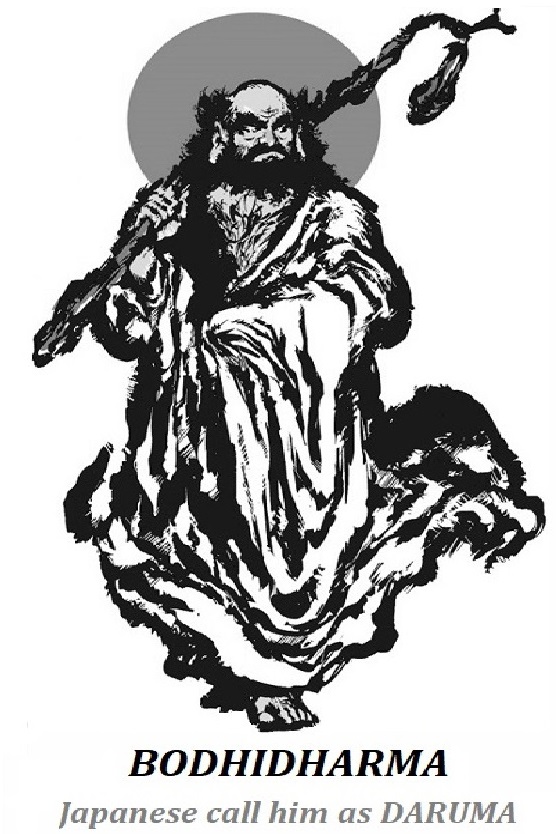
The roots of Karate-Do trace back to an Indian prince named Bodhidharma, originally known as Bodhitara, who was born in Kanchipuram into a royal family. As part of his upbringing, he received extensive training in Indian martial arts (both armed and unarmed combat) along with Yoga, an ancient discipline for strengthening the mind and body.
As he matured, Bodhitara embraced Buddhism and became a monk, adopting the name Bodhidharma. In Japan, he is revered as Daruma Taishi.
Journey to China & Shaolin Temple
Around 520 AD, Bodhidharma traveled from India to China through the Himalayas to spread Buddhist teachings. During his journey, he visited a Chinese emperor who promoted Buddhism through external acts like building temples and reciting sutras.
When the emperor asked what reward he would receive for his deeds, Bodhidharma famously replied “None,” emphasizing the Buddhist principle that true good deeds are performed without expectation of reward. This response angered the emperor, leading to Bodhidharma’s departure.
Eventually, he arrived at the legendary Shaolin Temple, where he observed that monks lacked the physical strength to defend themselves against attacks. To address this, he introduced a system of physical training combining meditation, discipline, and martial techniques.
He is believed to have compiled teachings such as the “Ekkin-Kyo” (Muscle Change Classic), which helped strengthen the monks physically and mentally. Over time, these teachings evolved into the famous Shaolin Kung Fu, also known as Wushu.
Development in China & Spread to Okinawa
For nearly a thousand years, martial arts flourished in China, evolving into sophisticated combat systems. During the cultural exchange between China and Okinawa, these martial arts were introduced to the Okinawa region.
The Okinawan people blended Chinese fighting methods with their native martial art known as “Tode” (Chinese Hand). This fusion laid the foundation for what would later become Karate.
Birth of Modern Karate-Do in Japan
In the early 20th century, the Okinawan martial art was introduced to mainland Japan by the legendary master Gichin Funakoshi (1868–1957). He refined and systematized the art, renaming it Karate-Do, meaning “The Way of the Empty Hand.”
This name reflected both the weaponless nature of the art and its deeper philosophical path focused on self-discipline, humility, and lifelong learning.
Evolution & Global Recognition
Over the centuries, many masters contributed to the development of Karate-Do across the Ryukyu Islands and Japan. Today, Karate-Do is practiced worldwide as a traditional martial art, competitive sport, and system of personal development.
Train Globally. Connect Internationally. Grow Without Limits.
Whether you are a student, instructor, dojo, or martial arts organization, you are invited to join, collaborate, and train within a worldwide network of traditional Karate-Do excellence.