

Karate History (Genesis)
Introduction, Philosophy & Tradition of Japanese Karate
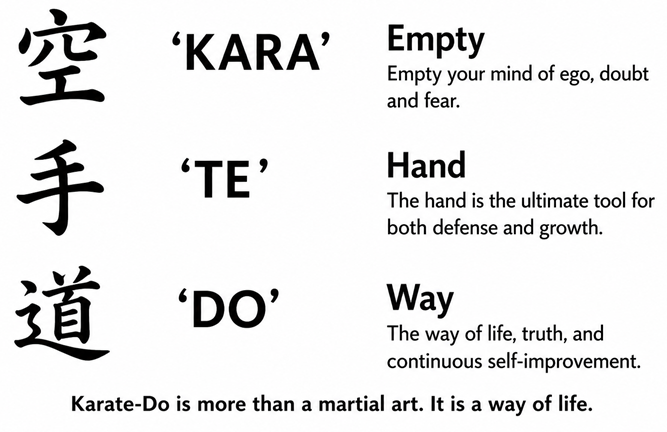
Karate-Do is a traditional Japanese martial art and one of the world’s most respected systems of self-defense, physical fitness, and mental discipline. The word Karate-Do means “The Way of the Empty Hand,” referring to unarmed combat practiced without weapons. More than a fighting system, Karate-Do is a lifelong path of self-development that strengthens the body, sharpens the mind, and builds character through disciplined training.
Foundation of Karate Training.
Traditional Karate-Do training is based on three essential pillars:

Kihon (Fundamental Techniques)
Kihon develops the foundation of Karate through basic movements and technical precision. Training includes:
Tsuki Waza – Punching techniques
Uke Waza – Blocking techniques
Keri Waza – Kicking techniques
Dachi / Tachi Waza – Stances and body positioning
Nage Waza – Throwing techniques
Gatame Waza – Locking and controlling techniques
Students also practice: Ido Kihon - Moving basic techniques, Renzoku Kihon - Combination movement training

Kata (Forms / Patterns)
Kata are structured sequences of movements representing combat principles and traditional techniques. Training includes:
Basic Kata
Intermediate & Advanced Kata
Omote Bunkai (basic applications)
Ura Bunkai (hidden applications)
Honto Bunkai (practical combat applications)
Kata training develops balance, timing, coordination, concentration, and understanding of combat movement.

Kumite (Sparring)
Kumite is the practical application of Karate techniques through partner training and controlled combat practice.Types include:
Yakusoku Kumite – Pre-arranged sparring
Tenshin / Happo Kumite – Eight-direction movement sparring
Shiai Kumite – Sports competition sparring
Jiyu Kumite – Free sparring
Kumite develops reflexes, distance control, awareness, confidence, and practical self-defense ability.
Karate-Do Beyond Physical Training:
Karate-Do is not only about fighting techniques. It is a complete discipline that develops: Respect and humility Self-control and discipline Mental focus and awareness Physical fitness and coordination Confidence and emotional balance. Through regular training, students learn to channel their energy positively while overcoming fear, stress, anger, and personal limitations. A key part of Karate tradition is Rei (bowing) - practiced before and after training, sparring, or competition. Rei teaches respect, gratitude, patience, and harmony within the dojo and daily life.
History of Karate-Do
Origins, Evolution & LegacyKarate-Do is one of the world’s most respected martial arts traditions, with a rich history that connects India, China, Okinawa, and Japan. More than a system of combat, Karate-Do represents discipline, self-development, and the philosophy of lifelong learning.
Origins in India - Bodhidharma
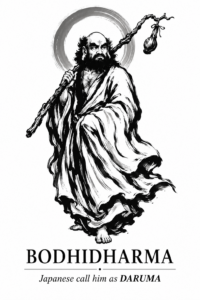
The origins of Karate-Do are traditionally associated with Bodhidharma, an Indian Buddhist monk born in Kanchipuram, India. Before becoming a monk, he was trained in Indian martial arts, meditation, and Yoga — disciplines designed to strengthen both body and mind.
Later known as Bodhidharma, and revered in Japan as Daruma Taishi, he dedicated his life to spreading Buddhist teachings and spiritual discipline.
Journey to China & Shaolin Temple.
Around 520 A.D, Bodhidharma traveled from India to China through the Himalayas. He eventually arrived at the famous Shaolin Temple, where he observed that the monks lacked physical strength and endurance. To improve their health, concentration, and defensive ability, he introduced physical conditioning methods that combined breathing, meditation, discipline, and martial movement. These teachings later influenced the development of Shaolin Kung Fu (Wushu).
Birth of Modern Karate-Do in Japan
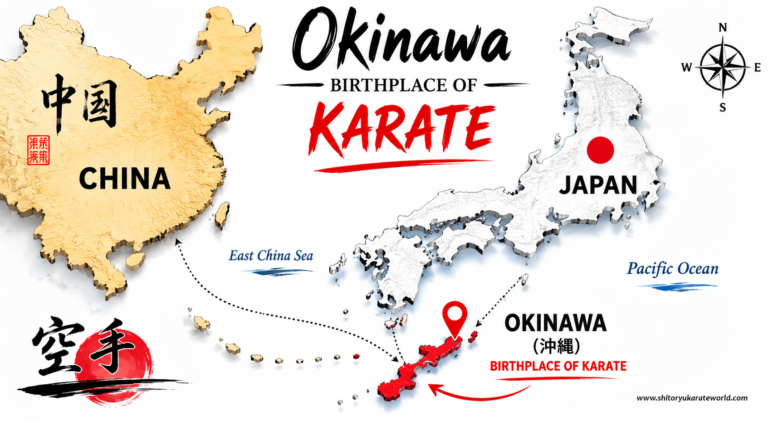
In the early 20th century, Karate was introduced to mainland Japan by the legendary master Gichin Funakoshi. He refined and systemized the art, giving it the name:Karate-Do — “The Way of the Empty Hand.”This name reflected not only unarmed combat, but also the deeper philosophy of humility, discipline, respect, and continuous self-improvement.
Evolution & Global Recognition
Over time, many masters contributed to the growth and development of Karate-Do throughout Okinawa and Japan. Today, Karate-Do is practiced worldwide as: A traditional martial art A practical self-defense system A competitive sport A path of physical, mental, and spiritual development. Karate-Do continues to inspire millions of practitioners across the world through its values of discipline, perseverance, respect, and self-mastery.
Train Globally. Connect Internationally. Grow Without Limits.
Whether you are a student, instructor, dojo, or martial arts organization, Karate-Do offers a lifelong journey of learning, friendship, discipline, and traditional martial arts excellence.
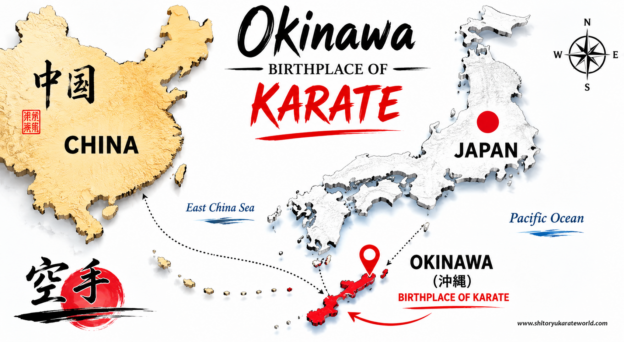
Development in China & Spread to Okinawa
Over the centuries, Chinese martial arts evolved into sophisticated combat systems. Through trade and cultural exchange, these martial arts spread to the Okinawan Islands.The Okinawan people combined Chinese fighting methods with their native martial art known as Te or Tode (“Chinese Hand”). This fusion gradually evolved into the martial art now known as Karate.


