
Author Archives: karateshitoryu

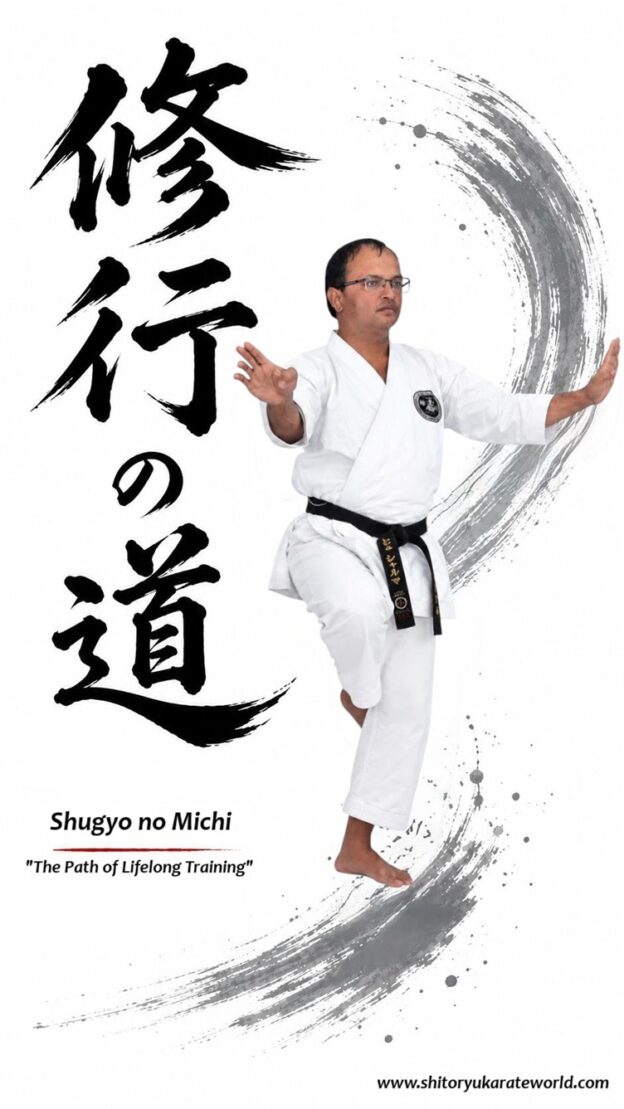
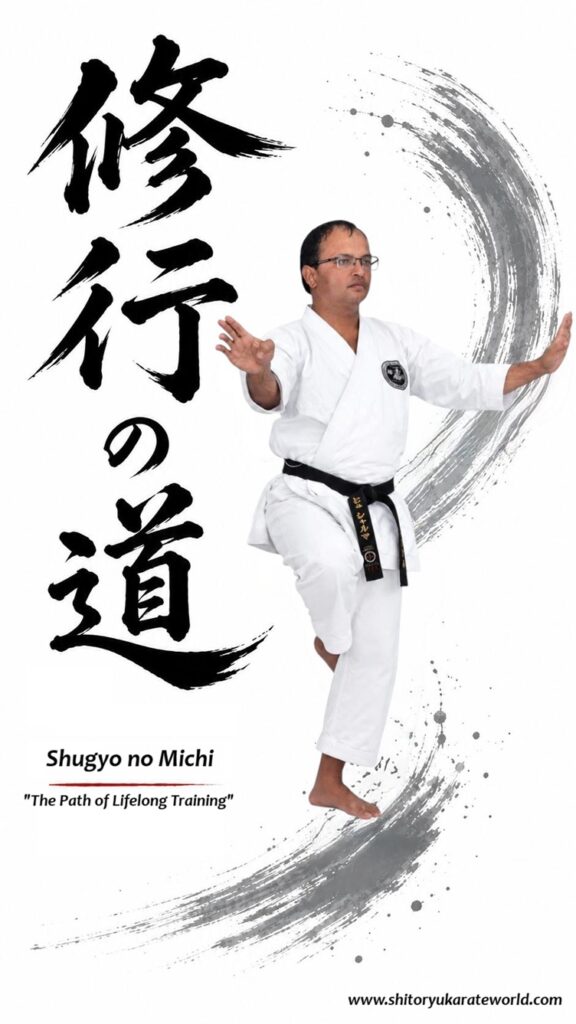
修行の道 Shugyo no Michi

修行の道 Shugyo no Michi

修行の道 Shugyo no Michi “

The Path of Lifelong Training” Karatedo (空手道) is far more than a martial art, it is a lifelong path of self-cultivation.

Its true depth is not measured by rank, trophies, or victories, but by the quiet discipline of repetition, the wisdom of restraint, and the constant pursuit of refinement.

What makes Karatedo unique is its demand for sincerity and self-honesty, there are no shortcuts, no illusions, and no pretenses.

In the end, your character is revealed through your training, for you become what you practice.

Section: Technical Insight   Title: 修行の道 Shugyo no Michi

Uke Waza

Shito-Ryu Uke Waza 受け技 (Defensive Techniques)

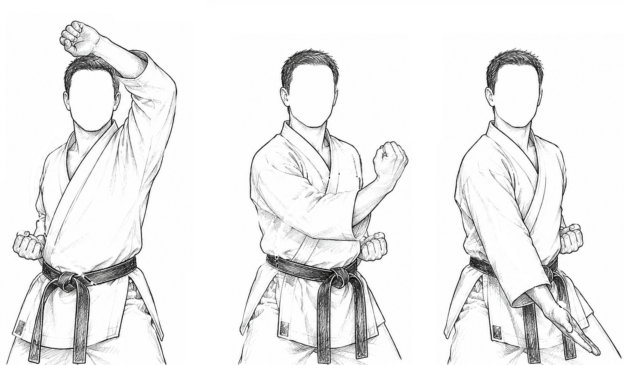
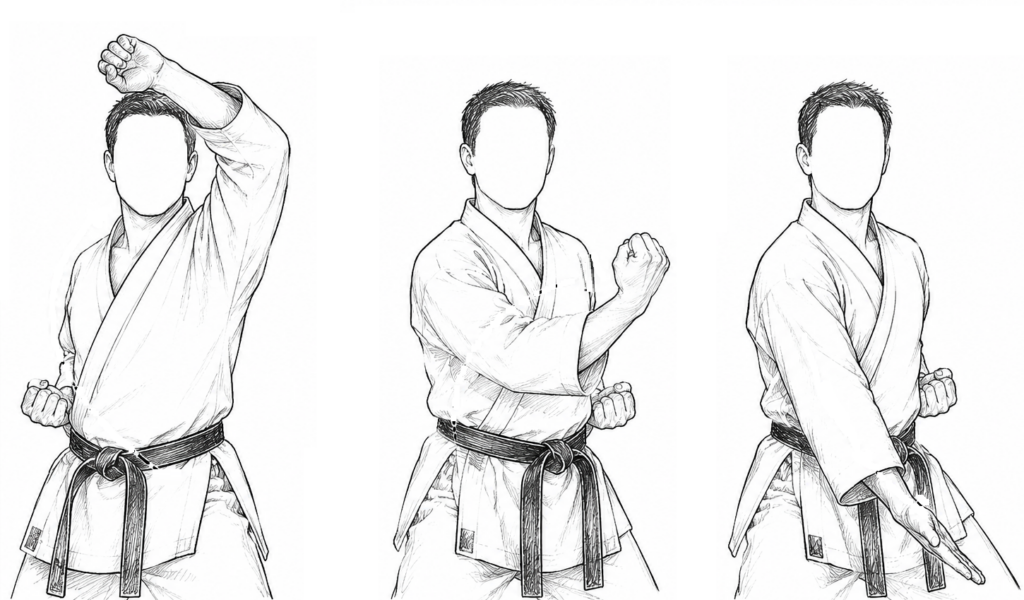
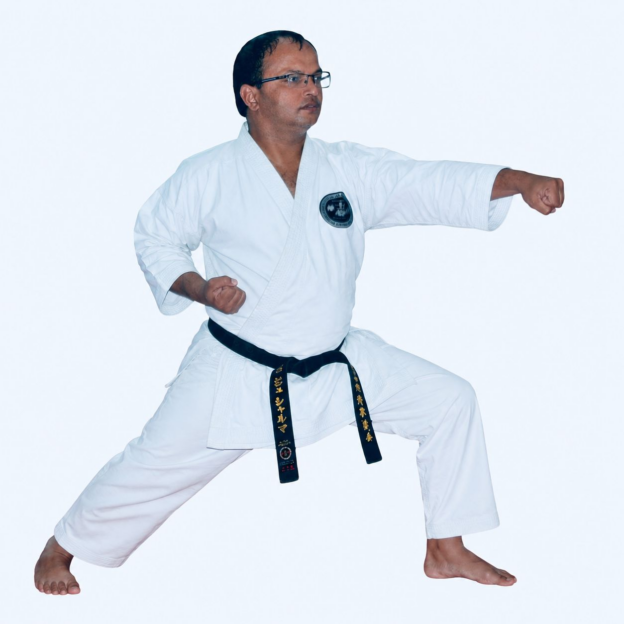
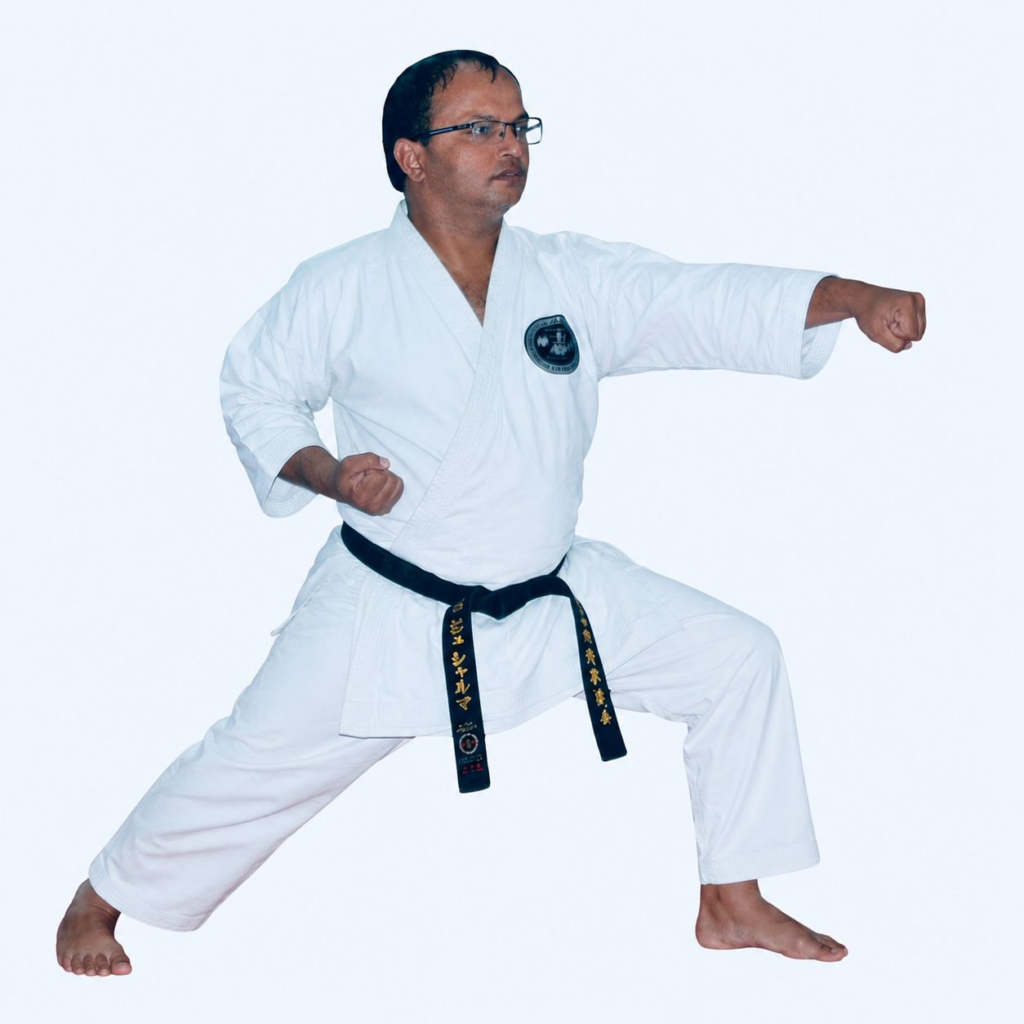
In Shito-Ryu Karate-Do, the term "Uke" is commonly translated as "block," but this interpretation is not entirely accurate. The word Uke originates from the Japanese verb Ukeru, which means to receive, accept, intercept, or divert. Therefore, the true purpose of Uke Waza is not merely to stop an attack, but to control, redirect, deflect, or neutralize the opponent's force.

An effective Uke guides the incoming attack away from its intended target while simultaneously creating an opportunity for counterattack. Depending on the situation, the defender may employ a strong and decisive redirection using firmness and impact, known as Raka, or may blend with the attacker's movement and redirect the force smoothly and efficiently just like flowing water Ryusui.

The Uke Waza 受け技 of Shito-Ryu are characterized by their direct, efficient, and practical application. They generally follow a linear path designed for rapid response and effective interception, avoiding unnecessary large or exaggerated movements. This economy of motion enables quick transitions between defense and counterattack, which is a fundamental principle of traditional Shito-Ryu Karate.

Section: Technical Insight   Title: Uke Waza

Renshikan

Renshikan 錬志館 Logo

Renshikan 錬志館 Emblem

The Renshikan emblem was designed by Kuniaki Nobukawa, the Founder and Soke of Japan Karate-Do Nobukawa-ha Shito-Ryu Kai.

The name Renshikan (錬心館) is composed of three Japanese characters:

錬 (Ren) – to forge, polish, or refine through disciplined training.

心 (Shin/Kokoro) – heart, mind, and spirit.

館 (Kan) – hall, academy, or place of learning.

Together, Renshikan may be interpreted as:“The Hall for Forging the Heart and Spirit” or

“A Place Where Character is Refined Through Training.”

The emblem reflects the philosophy that karate training is not only the development of physical technique but also the continuous cultivation of one's heart, mind, character, and spirit.

Since 1975, Renshikan has represented the traditional values and teachings of Japan Karate-Do Nobukawa-ha Shito-Ryu Kai.

Section: Technical Insight   Title: Renshikan

Annual Kerala Karate Training Camp – JKNSK India

Annual Kerala Karate Training Camp - JKNSK India

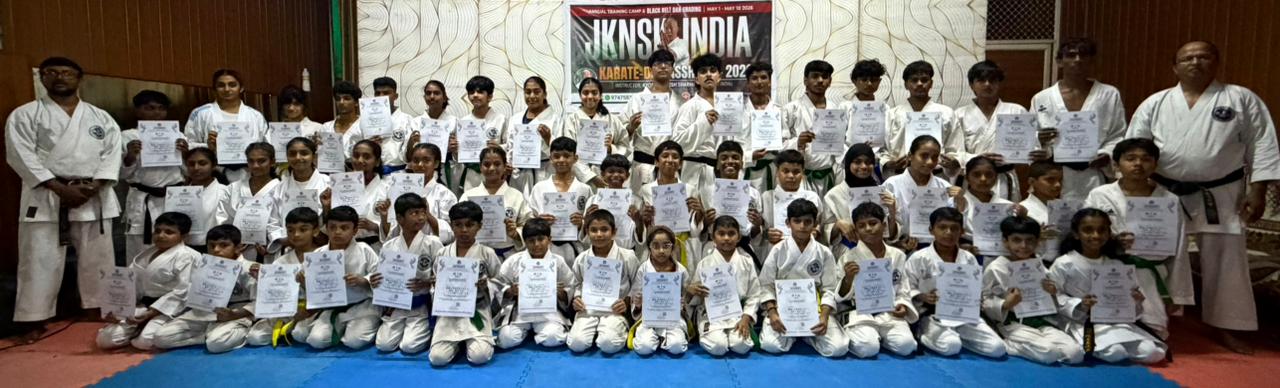
Annual JKNSK India training camp organized by Sensei Shiju M Habeeb - Head of Kerala State JKNSK India. Seminar was conducted by Naresh Sharma, JKNSK (Japan) Official 7th Dan Kyoshi. Excellent seminar on improvisation of technical points of Suparimpei, Chatanyara Kusanku, Bassai dai, Seienchin. Posted by admin - JKNSK INDIA

Nobukawa-ha Shitoryu Karate Mumbai Training Seminar

This is a title

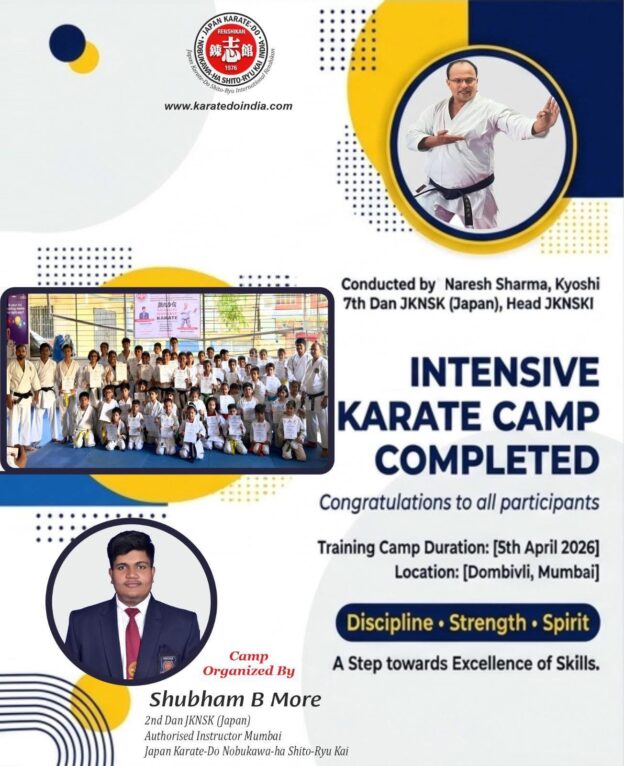
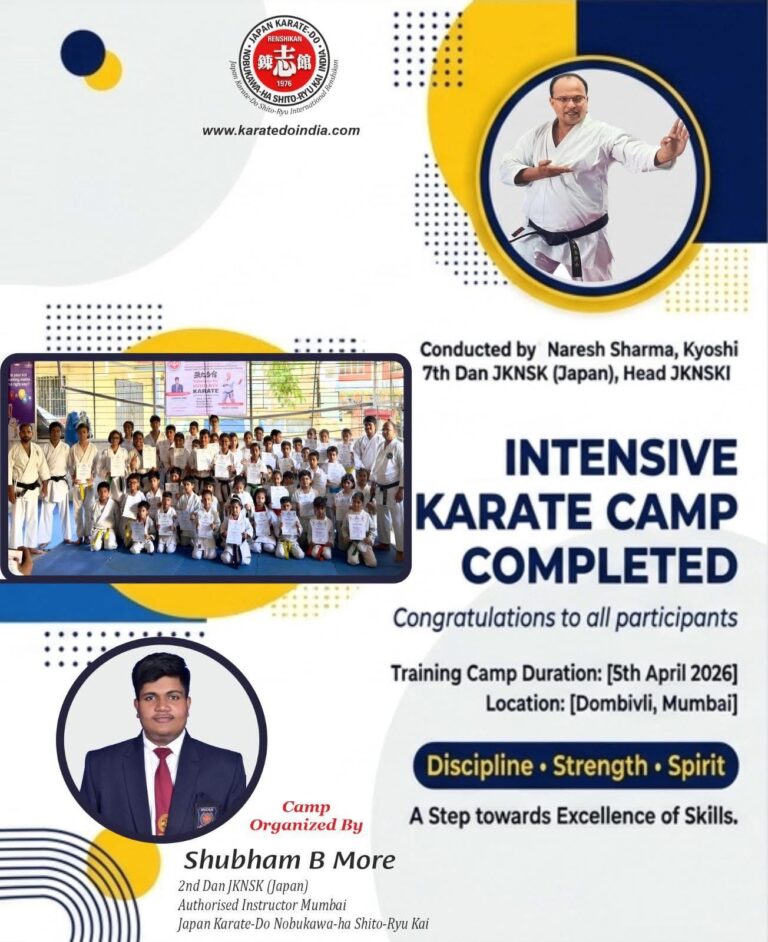
Nobukawa-ha Shitoryu Karate Mumbai Training Seminar was organised by Sempai Shubham More on 5th April 2026 at Mumbai, Dombivli.

Around 70 to 80 participants took part in the seminar. The training mainly focused on the improvement and refinement of Kihon Waza, Heian Kata, Bassai Dai, and Seienchin.The seminar training was conducted by Naresh Sharma Kyoshi, 7th Dan.

Additional Kumite training sessions were also conducted during the seminar. The enthusiasm and spirit shown by the students and black belts were truly excellent and inspiring.

26th JKNSK India National Karate Training Camp 2026

26th JKNSK India National Karate Training Camp 2026

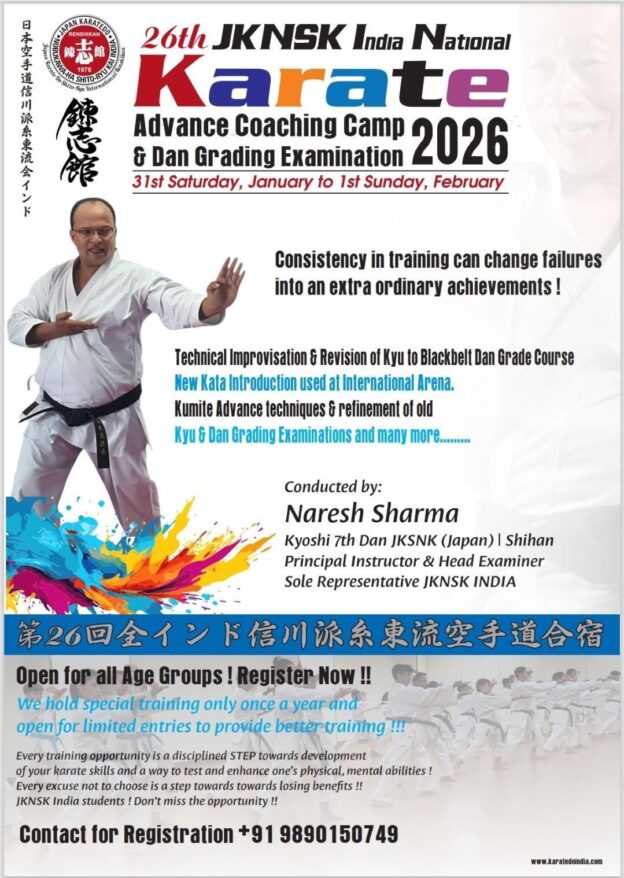
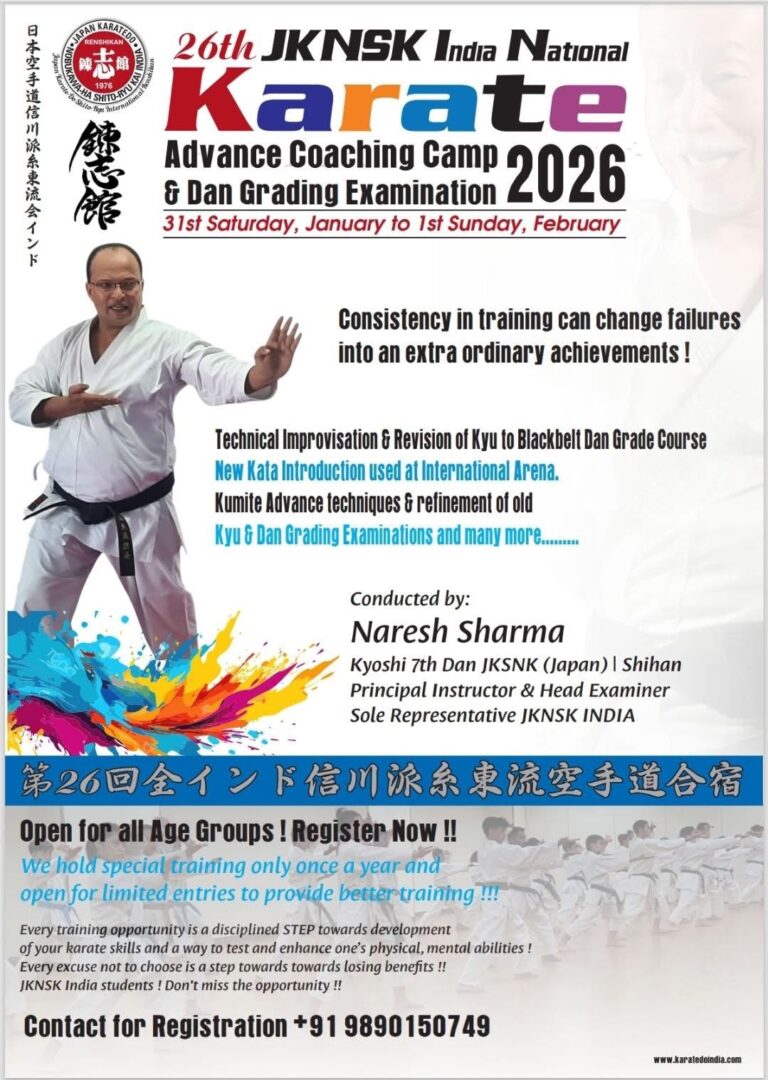
26th Annual JKNSK India National Training Camp was successfully organised by Devendra Sharma, Deputy Head JKNSK India.

The training focused on the technical refinement and deeper understanding of Revision of all Kyu grade to Dan grade syllabus and addition of Papuren, Kata with latest Kumite tactics.

The seminar was highly informative and beneficial for all participants, with excellent guidance on advanced technical improvisation and application.

The seminar was conducted by Naresh Sharma, Official 7th Dan Kyoshi of JKNSK Japan.

Posted by: Admin – JKNSK INDIA

25th JKNSK India Annual National Training Seminar

This is a title

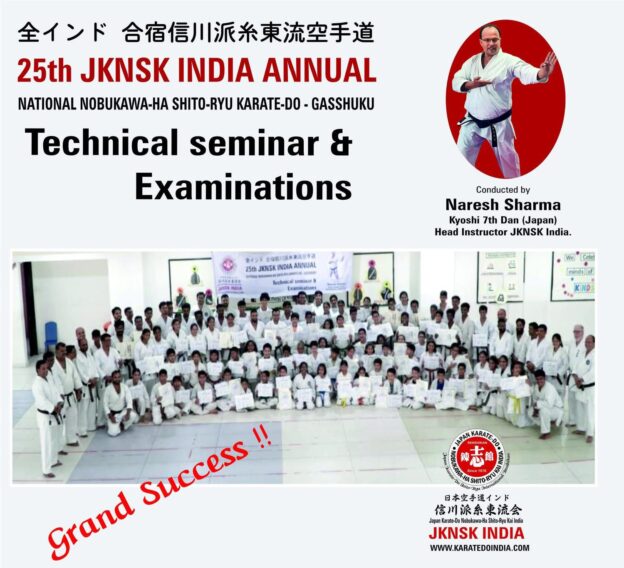
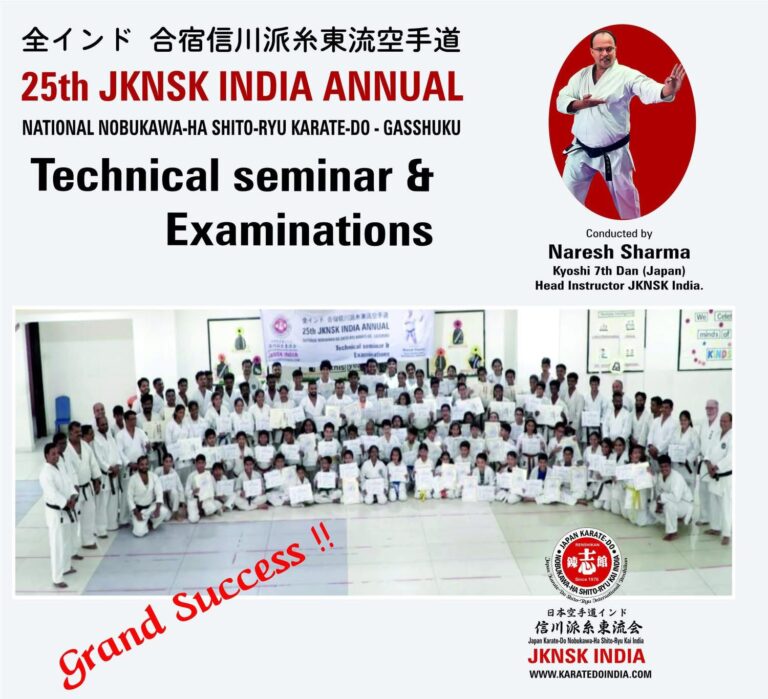
25th JKNSK India Annual National Training Seminar & Dan Test was successfully organized by Sensei Devendra Sharma, Deputy Head of JKNSK India.

The training focused on the technical refinement and deeper understanding of revision of all kyu and dan grade syllabus and in addition correction in Katas and introducing Bassai Sho.

The seminar was conducted by Naresh Sharma, Official 7th Dan Kyoshi of JKNSK Japan. The seminar was highly informative and beneficial for all participants, with excellent guidance on advanced technical improvisation and application.

Posted by: Admin – JKNSK INDIA

Dojo Kun 道場訓

Dojo Kun 道場訓

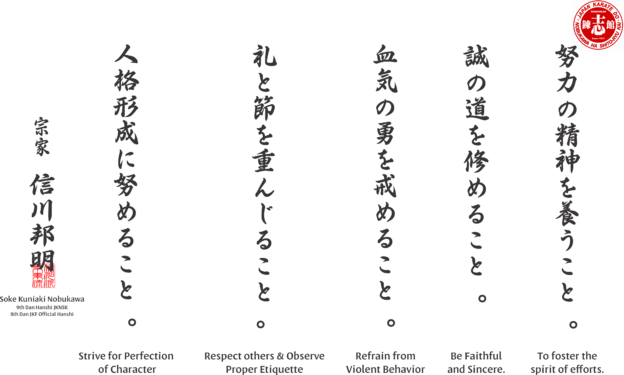
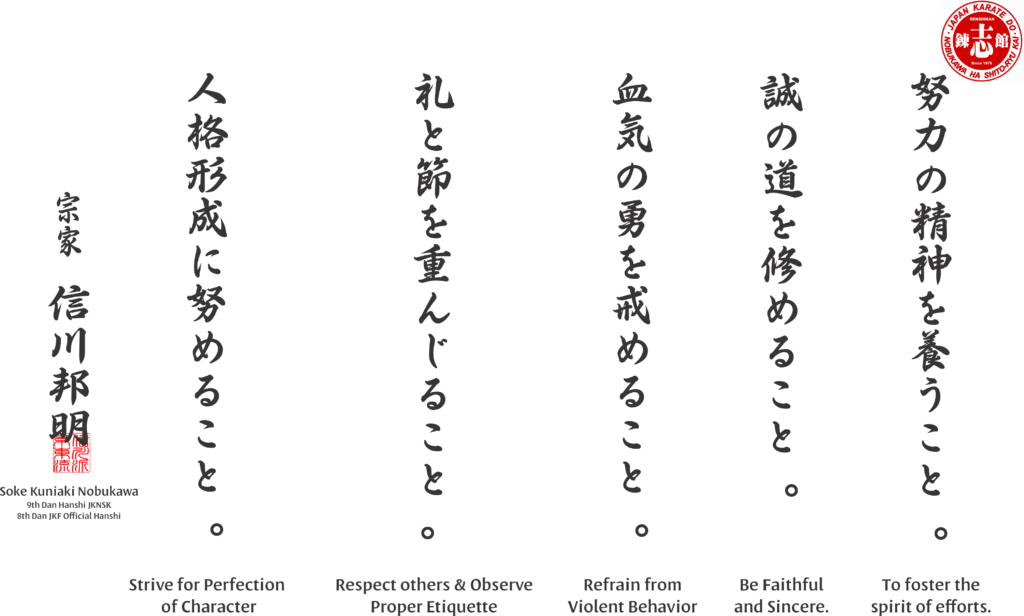
Dojo Kun (道場訓) are the rules and guiding principles of the training hall in Japanese martial arts. They are usually displayed at the entrance or at the Shomen (front) of the dojo, and all students are expected to follow them with discipline and respect. In many traditional schools, the Dojo Kun is recited at the end of class to reinforce good character, humility, and proper conduct.

Section: Technical Insight   Title: Dojo Kun 道場訓

Five Principles of Defense

Five Principles of Defense 受けの五原則

The Kenwa Mabuni system of
Shito-Ryu Karate emphasizes the
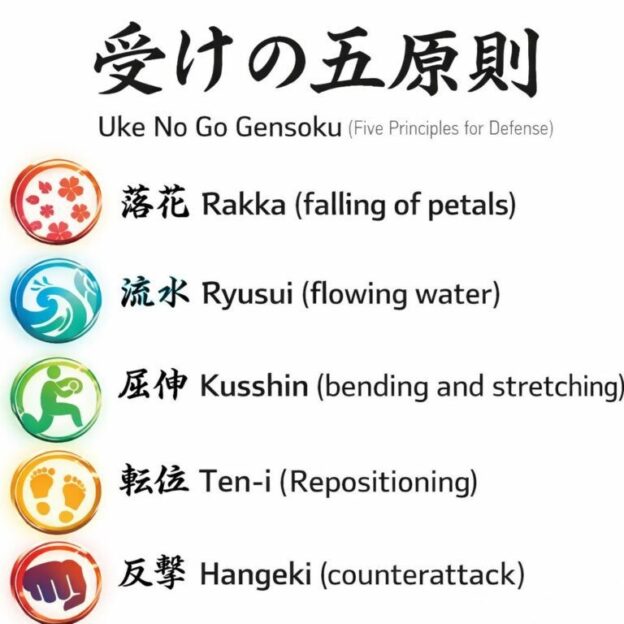
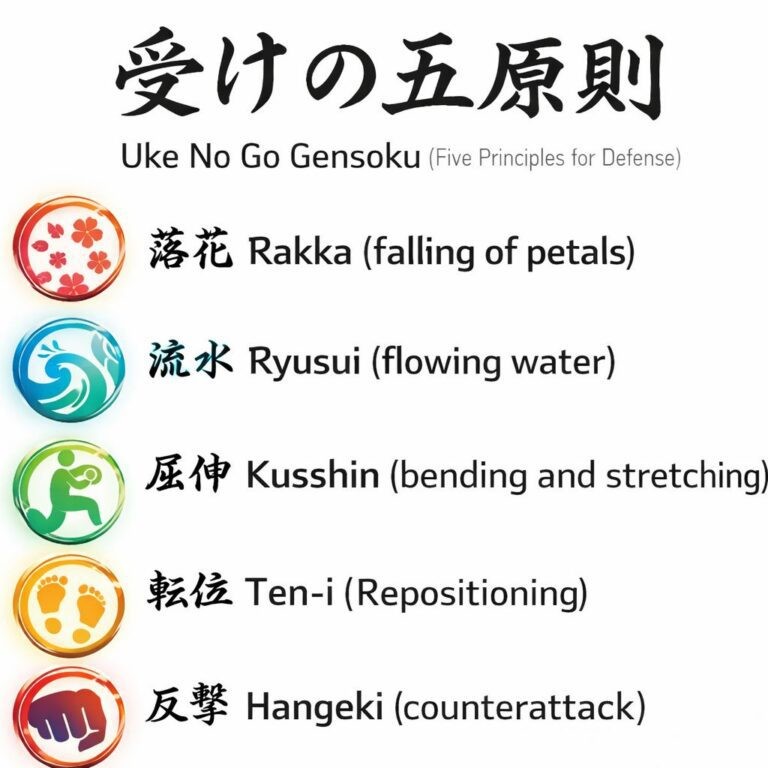
Five Principles of Defense, known as Uke no Go Gensoku (受けの五原則).

These principles teach the proper methods of receiving, redirecting, evading,
and countering an opponent’s attack.

落花 – Rakka Falling Petals
Receiving the opponent’s attack with a strong and decisive defensive technique while maintaining one’s position. The block should be so powerful that, if applied to the trunk of a tree, it would cause the leaves to fall like petals.
Example: Defending against a Chudan Tsuki using Yoko Uke or Yoko Uchi from a stable stance.

流水 – Ryusui Flowing Water
Redirecting the opponent’s attack smoothly and naturally without meeting force directly with force. The defense should flow continuously like water.
Example: Receiving a Jodan Tsuki using Sukui Uke, Nagashi Uke, or Kaishu Uke to guide the attack away.

屈伸 – Kusshin Bending and Stretching

Avoiding or controlling the attack through body movement, bending, lowering, or shifting position while preparing for a counterattack.
Example: Evading a Chudan Tsuki by moving into Nekoashi Dachi and countering by transitioning into Zenkutsu Dachi.

転位 – Ten-i Repositioning
Moving off the line of attack to create a superior angle for defense and counterattack.
Example: Dodging a Jodan Tsuki by shifting the head or body to the left or right of the attack line.

反撃 – Hangeki Counterattack
Responding immediately with an effective offensive technique rather than remaining passive after defense.
Example: Countering with techniques such as Tsuki, Morote Tsuki, or follow-up Uke and striking combinations.

Section : Karate Techniques Insight    Title: Uke No Go Gensoku 受けの五原則 | Five Principles for Defense

Reishiki 礼式 or Reigi 礼儀

Reishiki 礼式 or Reigi 礼儀

The Spirit of Respect in Martial Arts Rei (礼) originates from the Japanese concept of Reigi, meaning respect, courtesy, and proper manners.

In Japanese martial arts, Rei is far more than a formal bow  it is a fundamental principle that shapes the character and spirit of the practitioner.

The act of bowing expresses humility, discipline, and respect toward one’s Sensei, fellow practitioners, and the Dojo itself. Bowing before and after training also reinforces mutual trust and appreciation between training partners. However, Rei extends beyond physical gestures. It reflects an inner attitude of sincerity, gratitude, and awareness. Through the practice of Rei, martial artists cultivate respect not only within the Dojo, but also in daily life and human relationships. In essence, Rei forms the foundation of true martial spirit and proper Budo conduct.

Section: Technical Insight   Title: Reishiki 礼式 or Reigi 礼儀